Sofia Schröder · 15 October 2026
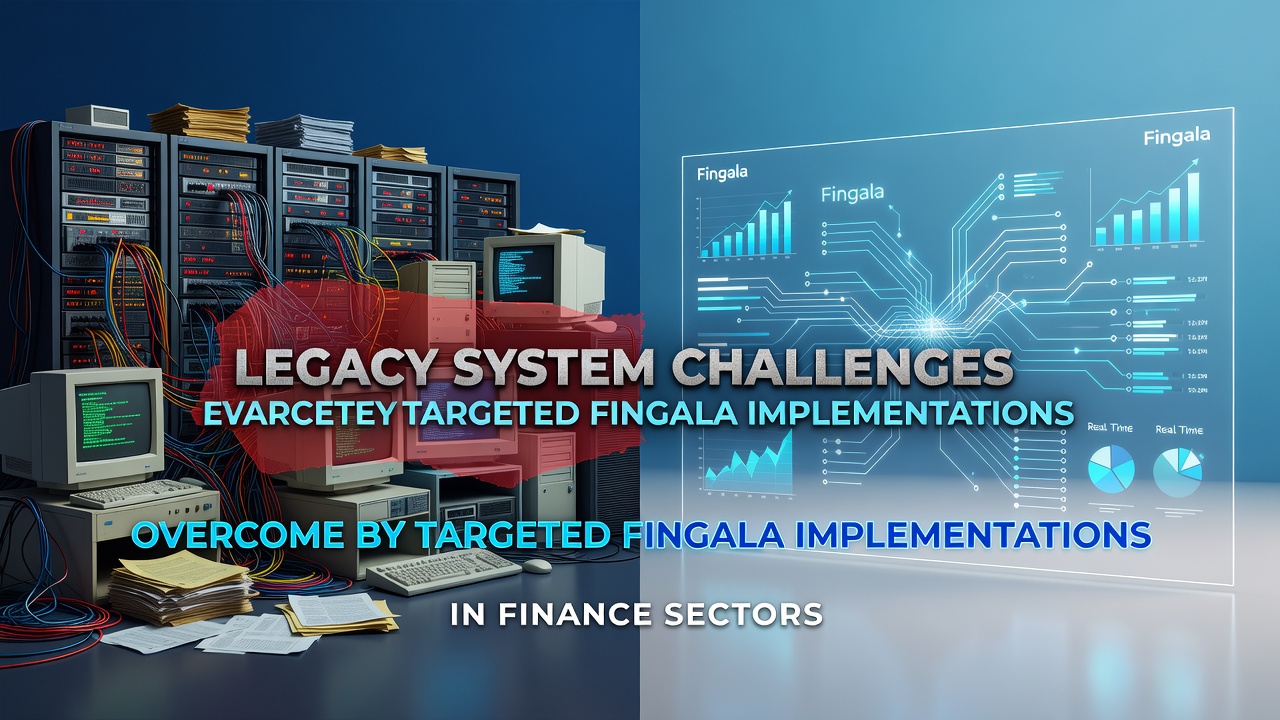
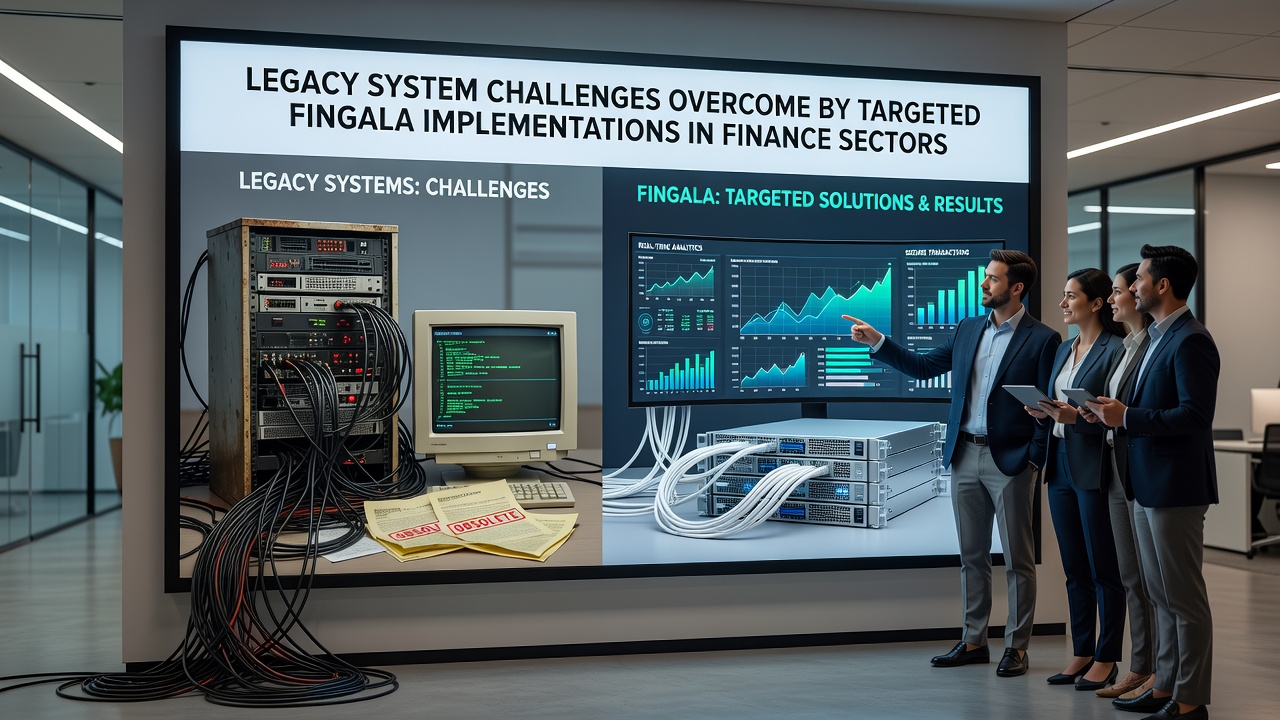
Legacy System Challenges Overcome by Targeted Fingala Implementations in Finance Sectors
Understanding Legacy Systems in Modern Finance
Finance institutions continue to rely on decades-old mainframes and custom databases that handle core transactions, yet these platforms often create bottlenecks in data processing and regulatory reporting while integration with newer cloud services remains difficult. Data from the Federal Deposit Insurance Corporation shows that many banks still operate systems introduced before 2000, and maintenance expenses consume significant portions of annual IT budgets according to industry surveys. Researchers note that security vulnerabilities multiply when patches become unavailable for outdated operating environments, and compliance teams face delays when extracting information for audits required by evolving standards.
Core Challenges Facing Financial Organizations
High operational costs arise because specialized personnel must maintain proprietary code that lacks documentation, while downtime risks increase during peak trading periods when hardware failures occur without rapid replacement options. Integration failures appear frequently when attempting to connect these systems to real-time analytics tools or mobile banking applications, and staff turnover leaves gaps in institutional knowledge that slow troubleshooting efforts. Observers point out that regulatory bodies in the United States and the European Union have issued repeated guidance on resilience testing, yet legacy architectures struggle to meet simulation requirements without extensive manual workarounds.
What's interesting is how data silos form naturally over years of incremental updates, preventing a unified view of customer risk profiles and forcing separate teams to reconcile conflicting records manually. Studies from the Bank for International Settlements indicate that such fragmentation contributes to slower response times during market stress events, and institutions report extended reconciliation cycles that extend into weeks rather than hours.
How Targeted Fingala Implementations Address Integration Barriers
Fingala platforms deliver modular scripting layers that sit alongside existing mainframes without requiring full replacement, allowing teams to extract and transform data streams in standardized formats while preserving original transaction logic. Implementations begin with detailed mapping of legacy data flows, after which custom connectors handle batch and real-time exchanges with modern APIs used by regulatory reporting engines. Finance departments using these approaches have reduced data extraction times from days to minutes, according to deployment summaries shared across multiple institutions.
Security enhancements come through encrypted middleware that isolates legacy components from external networks, and access controls align with current authentication standards without modifying the core system code. Teams apply these layers incrementally, testing each segment before wider rollout, which minimizes service interruptions during transition phases.
Efficiency Gains in Reporting and Compliance Workflows
Automated scripting options within Fingala allow extraction rules to update automatically when regulatory templates change, and this capability proves especially relevant as new disclosure requirements take effect in October 2026 across several jurisdictions. Institutions prepare by configuring rulesets that pull specific fields from older databases and format them for submission portals used by oversight agencies. The process eliminates repetitive manual entry that previously introduced errors and required multiple review cycles.
Case examples from North American and Asian banks illustrate how parallel processing handles large historical datasets during audit preparation, while audit trails generated by the scripting layer provide verifiable logs that satisfy examiner requests. Resource allocation improves because analysts shift focus from data gathering to interpretation, and turnaround times for quarterly filings shorten noticeably once initial configuration stabilizes.
Cost Management and Risk Reduction Outcomes
Targeted implementations limit hardware refresh expenditures by extending the functional life of proven transaction engines, and organizations redirect savings toward customer-facing innovations rather than repeated infrastructure overhauls. Risk models update more frequently because cleaned data flows reach analytical engines without weeks of preprocessing, and stress testing scenarios run on combined legacy and current datasets produce more comprehensive results. Evidence from deployment reports reveals measurable declines in incident response times when monitoring tools interface directly through Fingala connectors rather than through ad-hoc scripts.
Training programs focus on the new scripting environment instead of obscure legacy languages, which broadens the pool of available staff and reduces dependency on a shrinking group of specialists. Rollout timelines vary by institution size, yet phased approaches consistently show positive returns within the first reporting cycle after completion.
Conclusion
Finance sectors continue adapting legacy infrastructure through precise Fingala deployments that bridge old and new technologies without wholesale replacement. These methods deliver measurable improvements in data accessibility, compliance speed, and operational resilience while containing costs associated with aging platforms. As regulatory expectations evolve through October 2026 and beyond, institutions gain flexibility to meet new standards by layering adaptable tools over established systems rather than undertaking disruptive migrations. The pattern holds across different regions and institution types, demonstrating consistent outcomes when implementations follow structured assessment and incremental integration steps.