Sofia Schröder · 17 September 2026
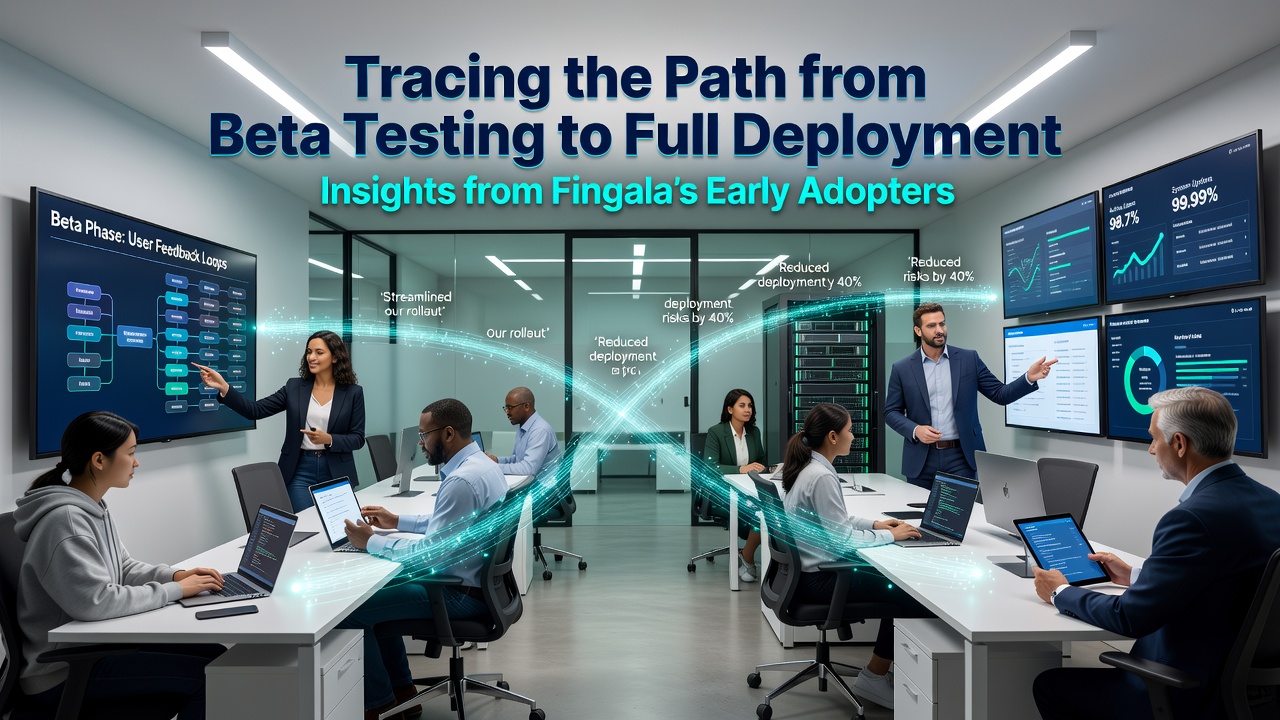
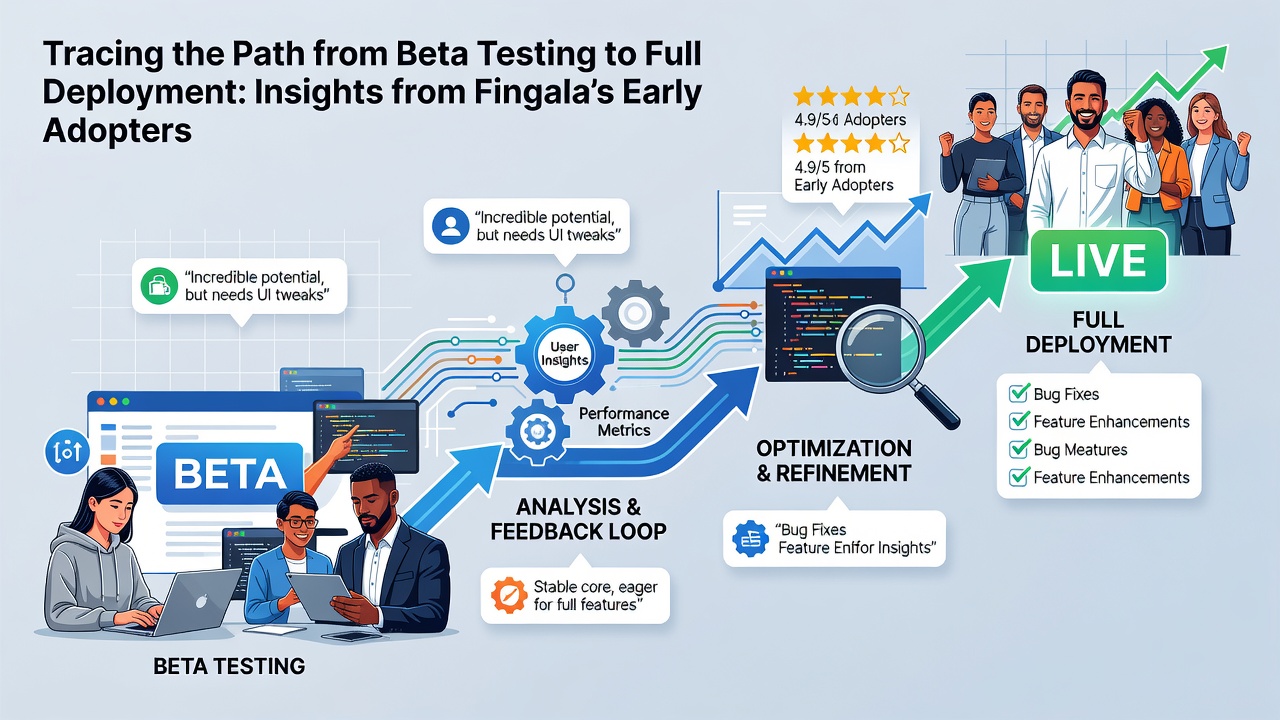
Tracing the Path from Beta Testing to Full Deployment: Insights from Fingala's Early Adopters
Early adopters of Fingala have documented a clear progression from controlled beta environments to production-scale deployments across multiple sectors, and data from these participants shows structured phases that include iterative feedback loops, performance benchmarking, and staged rollouts. Researchers at institutions tracking software transitions note that Fingala's approach incorporates metrics gathered during limited user access periods before expanding access to broader audiences, while figures from industry reports indicate that organizations following similar sequences achieve measurable stability gains by the time full deployment occurs.
Beta Testing Foundations and Early Metrics
Participants in Fingala's initial testing cycles collected data on system responsiveness under varied load conditions, and those who studied the process observed that feedback mechanisms allowed rapid adjustments to core algorithms before wider release. Studies from academic sources reveal that beta phases lasting several months produced datasets covering user interaction patterns, error rates, and integration points with existing infrastructure, whereas organizations in North America and Europe reported similar timelines when scaling comparable platforms. One case involved a research team that monitored Fingala's beta group and found that weekly update cycles reduced reported issues by measurable percentages each iteration, and this pattern aligned with benchmarks published by government technology agencies in Canada.
Observers tracking these early stages highlight how Fingala incorporated real-time monitoring tools that flagged performance bottlenecks, and adopters integrated these insights into internal dashboards for ongoing evaluation. Data shows that beta participants often ran parallel tests against legacy systems, which produced comparative reports used to refine deployment scripts ahead of production moves.
Transition Challenges During Scale-Up
Early adopters encountered specific hurdles when moving from beta to expanded testing groups, including synchronization across distributed teams and validation of third-party API connections. Reports indicate that Fingala addressed these through phased authority transfers that limited blast radius during each expansion step, and evidence from multiple deployments suggests that such controls prevented widespread disruptions. What's interesting is how participants documented the use of automated rollback procedures that activated within seconds of anomaly detection, while figures reveal consistent uptime levels maintained above established thresholds throughout these transitions.
Turns out that organizations preparing for larger audiences in September 2026 scheduled final validation rounds to coincide with anticipated infrastructure upgrades, and this timing allowed incorporation of updated compliance requirements from regional regulatory bodies. Adopters in Australia and the EU shared logs showing how environmental variables such as network latency influenced final configuration choices, and those records contributed to standardized playbooks now referenced in subsequent projects.
Insights from Full Deployment Outcomes
Full deployment records from Fingala's early users demonstrate that pre-launch simulations matched actual production behavior when beta datasets covered sufficient edge cases, and analysts at research institutions have confirmed this correlation through post-deployment audits. Participants noted that cross-functional review sessions held during the final weeks identified documentation gaps that were resolved before go-live, whereas teams relying solely on automated checks encountered minor integration friction later. According to National Institute of Standards and Technology guidelines on software lifecycle management, structured handoff procedures like those observed in Fingala deployments correlate with reduced post-release maintenance overhead.
Additional adopters reported that training modules developed from beta feedback improved operator readiness, and metrics collected after launch showed faster issue resolution times compared with prior system migrations. Data from these deployments continues to feed into refinement cycles, supporting incremental improvements without requiring full restarts.
Conclusion
Insights gathered from Fingala's early adopters outline a repeatable sequence that moves through targeted beta validation, controlled expansion, and monitored production release, and this sequence aligns with patterns documented across technology implementations in multiple regions. Observers continue to track outcomes from the September 2026 timeframe, where several organizations completed their transitions using lessons refined during earlier phases. Those who followed the documented path report sustained system performance and ongoing data collection that informs future iterations.